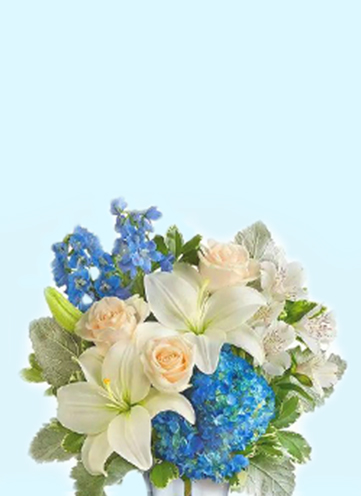
Unlock the Beauty of Hydrangeas: Care Insights
Posted on 17/08/2025
Unlock the Beauty of Hydrangeas: Care Insights
Hydrangeas, with their lush blooms and rich foliage, have enchanted gardeners and homeowners alike for centuries. Whether lining garden walkways, provided as a thoughtful bouquet, or thriving as a bold centerpiece in your backyard, hydrangeas are famed for their versatility and captivating colors. The allure of these flowering shrubs lies not just in their beauty, but also in their remarkable ability to adapt to different environments. Ready to discover how to elevate your hydrangea gardening game? This comprehensive guide shares expert hydrangea care insights to help you nurture these masterpieces at home and unlock their maximum splendor.
Understanding Hydrangea Varieties
Before delving into optimal hydrangea care practices, it's essential to recognize that there are several types, each with distinct needs and aesthetic appeal. Knowing your variety is the foundation of successful hydrangea gardening.
- Bigleaf Hydrangeas (Hydrangea macrophylla): This is the most iconic type, producing large, round clusters of pink, blue, or purple blooms. Bigleaf hydrangeas are renowned for their ability to change color based on soil pH.
- Panicled Hydrangeas (Hydrangea paniculata): These thrive with big, cone-shaped white flowers that age to pink or green, offering a unique texture in garden compositions.
- Smooth Hydrangeas (Hydrangea arborescens): Known for their impressive ball-shaped white blossoms - think the beloved 'Annabelle' variety.
- Oakleaf Hydrangeas (Hydrangea quercifolia): Immediately recognizable by their oak-like leaves and elongated clusters of white flowers that transition to pink.
- Mountain Hydrangeas (Hydrangea serrata): Featuring daintier mophead or lacecap blooms, this cold-hardy type works well in cooler climates.
Choosing the Right Hydrangea for Your Garden
Not all hydrangeas behave the same in the garden. Consider your local climate, sun exposure, and desired color palette before selecting your variety. For instance, Bigleaf hydrangeas thrive in temperate zones, while Panicled hydrangeas handle both sun and cold better than others.

Essential Hydrangea Care Tips for Stunning Blooms
Unlocking the beauty of hydrangeas requires an understanding of their basic needs. Let's break down the fundamentals:
1. Hydrangea Planting Fundamentals
- Timing Matters: Plant hydrangeas in early spring or fall when the weather is cool and moist. Avoid confusion; planting in the heat of summer can stress new roots.
- Site Selection: Choose a location with morning sun and afternoon shade for most varieties. Panicled types are the exception--they tolerate full sun.
- Soil Preparation: Hydrangeas love rich, well-draining soil. Amend sandy or clay-heavy areas with compost to improve moisture retention and aeration.
2. Watering Hydrangeas the Right Way
Hydrangea watering is both an art and a science. Some pointers:
- Deep Soak, Not Just a Sprinkle: When watering hydrangeas, ensure a deep, thorough soak at the root zone rather than frequent shallow sprinklings. This stimulates deeper root growth.
- Frequency: Hydrangeas need about 1 inch of water per week, either from rain or irrigation--more during hot, dry spells.
- Morning Routine: Water early in the day to reduce evaporation and help prevent fungal diseases.
- Mulch: Applying a 2-3 inch layer of organic mulch helps retain moisture and moderates soil temperature, keeping your hydrangeas happy and hydrated.
3. Feeding and Fertilizing Hydrangeas
Should you fertilize your hydrangeas? Absolutely! Here's how to do it for abundant flowers and healthy foliage:
- Timing: Feed hydrangeas in early spring as new growth emerges. Another light feeding in early summer is beneficial for repeat-blooming types.
- Type: Use a balanced, slow-release fertilizer (10-10-10 or 14-14-14) or one especially formulated for flowering shrubs.
- Application: Scatter fertilizer evenly under the drip line (edge of the branches), gently work into the soil, and water well.
- Go Easy: Over-fertilizing promotes leafy growth at the expense of blooms. Less is more!
4. The Art of Pruning Hydrangeas
To truly unlock the beauty of hydrangea flowers, correct pruning is vital--but it varies by species:
- Bigleaf & Oakleaf Hydrangeas: Prune after flowering, usually in summer. These types bloom on old wood (last year's stems), so cutting in spring or fall risks removing next year's blooms.
- Panicled & Smooth Hydrangeas: Prune in late winter or early spring, as they bloom on new wood. Cut back last season's stems by one-third for bushier growth and larger blooms.
- General Tips: Always remove dead or weak branches. Use sharp, clean tools to prevent disease.
Pro Tip: Never prune hydrangeas in autumn--this may hinder blooming in spring!
The Secret to Changing Hydrangea Colors
One of the most magical features of some hydrangeas (notably Hydrangea macrophylla) is their ability to shift hues based on soil chemistry. Want blue hydrangeas? Or perhaps lush pink blooms?
How Soil pH Influences Color
- Acidic Soil (pH below 6): Produces blue flowers.
- Neutral to Alkaline Soil (pH above 7): Leads to pink or even red flowers.
To achieve the color you want:
- For Blue Blooms: Add soil acidifiers like aluminum sulfate or elemental sulfur.
- For Pink Blooms: Add lime to raise the pH and reduce available aluminum.
Patience is key: It may take months before your hydrangea color shifts, and not all varieties are equally responsive.
Note:
White hydrangeas do not change color in response to soil pH.
Troubleshooting Hydrangea Issues
Despite your best efforts, sometimes hydrangeas encounter problems. Here's a handy guide to common issues and solutions for optimal hydrangea maintenance:
- Wilting Leaves: Usually from underwatering or heat stress. Water deeply, and consider adding mulch.
- No Blooms: Over-pruning, late frost damage, or too much shade can prevent flowering. Review pruning schedule and site location.
- Yellowing Leaves: May indicate nutrient deficiencies. Test soil and amend as needed.
- Spots & Mildew: Remove affected leaves, improve air circulation, and avoid overhead watering. Fungicidal sprays may be useful in severe cases.
Hydrangeas in Landscape Design: Tips for Visual Impact
To truly unlock the beauty of hydrangeas in your landscape:
- Mass Planting: Groups of hydrangeas create a lush, dramatic effect--perfect for borders or shade gardens.
- Understory Planting: Hydrangeas thrive under high canopies, adding layered visual interest.
- Mixed with Ferns, Hostas, or Shade Perennials: These pair well with hydrangeas for an elegant, understated garden palette.
- Use as Living Fences or Hedges: Especially with panicled or oakleaf types, offering seasonal privacy and stunning color.
Propagation: Expand Your Hydrangea Collection
There's nothing as satisfying for a garden enthusiast as growing new hydrangeas from your existing plants. Here's how:
1. Taking Cuttings
- In late spring, snip healthy, non-flowering shoots (~4-6 inches long).
- Remove lower leaves, dip base in rooting hormone, and place in moist potting mix.
- Cover with a plastic dome or bag to retain humidity and keep in indirect light.
- Roots will develop in 2-3 weeks; transplant carefully when new growth appears.
2. Layering
- In early spring or late summer, select a low-growing branch, gently bend to the ground, and nick the underside.
- Bury the nicked section (leaving the tip exposed) and weigh down with a stone or pin.
- Once roots develop, cut from the mother plant and move to a new location.
This method produces strong, self-sufficient new hydrangea plants!
Seasonal Hydrangea Care Calendar
For those seeking comprehensive hydrangea care tips, following a year-round schedule ensures consistently healthy, showy plants.
| Season | Hydrangea Care Tasks |
|---|---|
| Spring |
|
| Summer |
|
| Fall |
|
| Winter |
|

Frequently Asked Questions About Hydrangea Care
Why are my hydrangea leaves turning brown?
Leaf browning can be a result of too much sun (leaf scorch), insufficient water, or fertilizer burn. Always aim for a balance: partial shade, deep watering, and measured feeding.
How do I prevent wilting during extreme heat?
Increase your watering frequency, apply more mulch, and consider temporary shade cloths during heatwaves.
Can I grow hydrangeas in containers?
Absolutely! Use a spacious pot with drainage holes, high-quality soil, and follow the same care guidelines as garden-planted hydrangeas.
How do I make my hydrangea blooms larger?
Proper pruning (according to your hydrangea type), regular feeding, and consistent watering are key. Avoid high-nitrogen fertilizers--focus on balanced blends!
Conclusion: Hydrangea Care for Lasting Beauty
Unlocking the beauty of hydrangeas is both an art and a science. Whether you're just starting out, or an experienced gardener looking for a new challenge, following the care insights detailed above will ensure your hydrangeas thrive season after season. Remember to choose the right variety for your climate, soil, and sunlight conditions, and to keep a watchful eye on watering, feeding, and pruning routines.
Hydrangeas reward attentive care with show-stopping blooms, lush color, and enduring garden charm. With a little know-how and patience, you can transform your landscape and enjoy the endless beauty hydranged by these beloved shrubs.
Ready to unlock your hydrangea's potential? Grab your gardening gloves and let the journey to breathtaking blooms begin!
Latest Posts
Unlock the Beauty of Hydrangeas: Care Insights
Cultivate Enduring Beauty: Poinsettia Care for Extended Enjoyment
Red Roses and Valentine's Day: A Story of Love and Tradition